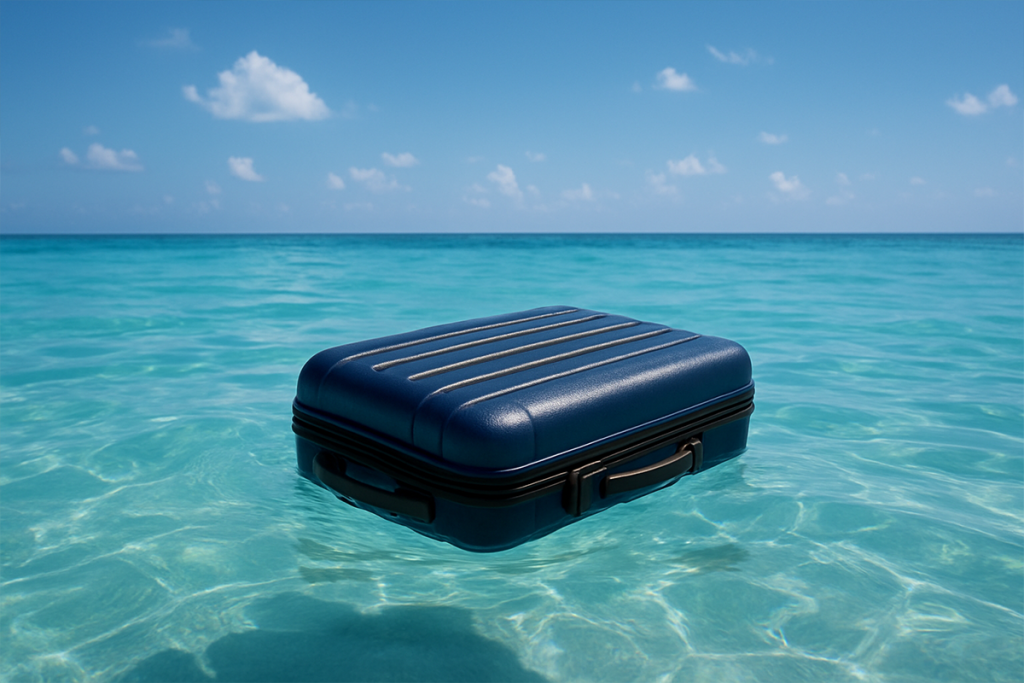

Losing your luggage on a cruise can be stressful, but there are clear steps you should take to improve the chances of recovery and to claim compensation. Whether your bag went missing during embarkation, at a port stop, or during disembarkation, the key is to act quickly and follow the cruise line’s procedures. Below is a step-by-step guide, followed by a comparison of policies for major cruise lines like Carnival, Royal Caribbean, and Norwegian Cruise Line.
Step 1: Report the Loss Immediately
Do not delay in reporting a missing bag. As soon as you realize your luggage is lost, notify the appropriate personnel before you or the ship leaves the area. The process varies slightly by scenario:
- During Embarkation (boarding day): If your checked bag doesn’t arrive at your stateroom, visit the ship’s Guest Services desk right away to report it. They will initiate a search on board and in the terminal. Royal Caribbean, for example, advises passengers to immediately report missing luggage to Guest Services and obtain a Personal Property Report while still on the ship. This report is an official record of your claim.
- At a Port of Call: If luggage entrusted to the cruise (for example, during a customs inspection or transfer) goes missing at an intermediate port, inform ship staff or the port agent before the ship departs. They can coordinate with port authorities and local handlers to locate the bag. (If you personally lose a bag during an excursion, still report it – the cruise line may assist, but note it might not be liable if the loss didn’t involve crew or port staff.)
- During Disembarkation (final port): If your bag is missing from the baggage claim area in the cruise terminal, find a cruise line representative or port agent immediately and file a report before leaving the terminal. All major cruise lines require that you report lost luggage at the port before exiting customs. For instance, Carnival’s policy states that a claim form must be completed prior to leaving the terminal for any lost bags during debarkation – claims made afterward “will not be considered”. Norwegian Cruise Line (NCL) similarly requires that an Irregularity Report be filed with Guest Services or NCL personnel prior to leaving the customs area if baggage is lost while boarding or leaving the ship.
When making your report, get a copy of the written report or a reference number for your claim. This proof of reporting is crucial for later follow-up. Provide your contact details and travel itinerary to staff so they can reach you with updates.
Step 2: Provide Detailed Descriptions and Documentation
Be ready to describe your luggage in detail. This will help staff identify it quickly if found. Include:
- Physical description: color, size (e.g. large suitcase, carry-on), brand, and any unique features or stickers. If you have a photo of your bag, even better – show it to staff. For example, note distinguishing details like a bright ribbon on the handle or a unique luggage tag.
- Baggage tag info: If the cruise line provided luggage tags (or you have airline tags from your flight), provide the tag numbers and show any claim stubs you kept. The number can help match any found bags to your report.
- Contents summary: You don’t need a full inventory on the spot, but be ready to mention any high-value items or anything that might help identify the bag if opened (for instance, “the bag contains a red formal dress and dive fins on top”). Avoid listing jewelry or cash as these should not be in checked bags (cruise lines aren’t liable for valuables in luggage). Just note generally what was inside, as this may be documented for the claim.
As you file the report, request a tracking/reference number or a copy of the report. Also ask for contact information (like a phone number or email for the cruise line’s baggage claims department or Guest Relations). This will be important for after the cruise.
Step 3: Don’t Leave Without Filing the Claim
This bears repeating: if your bag disappeared during embarkation or debarkation, do not leave the ship or terminal until the loss is officially documented. Cruise lines often disclaim responsibility if you fail to report the loss immediately in their custody. For example, NCL will not be responsible for any loss that isn’t reported before departure from the port. Make sure the report is filed while you’re right there on site.
If you only realize after you’ve left the terminal that a bag is missing (or that you grabbed someone else’s by mistake), contact the cruise line’s customer service the same day. Carnival advises that if a guest discovers after returning home that their luggage is missing or they have the wrong bag, they should reach out to Guest Care immediately. The cruise line can then attempt to locate and exchange bags between passengers if a mix-up occurred.
Step 4: Ask About Immediate Assistance (Daily Needs)
While the search is ongoing, inquire about what assistance the cruise line can provide you during the cruise to help with essential items. Policies vary:
- Daily allowance or essentials: Some cruise lines might offer a daily stipend or on-board credit for necessities if your luggage is delayed or lost. For example, there are reports of Carnival providing around $25 per day to affected guests to buy toiletries or clothing, though this may be handled case-by-case as a courtesy. Royal Caribbean and Norwegian may not advertise a set amount, but it’s worth asking if they can cover the cost of basic toiletries or lend you formalwear for dinner, etc. At minimum, toiletry kits (with items like toothbrush, toothpaste, razor) are often available – ask Guest Services if they have courtesy kits for lost luggage situations.
- Laundry services: If you only have the clothes you traveled in, ask if the ship can provide complimentary laundry or pressing of the clothes you do have. Cruise lines will often do this as a goodwill gesture when luggage is lost, so you can re-wear items while awaiting your bag.
- Onboard shops: In some cases, the line might suggest you purchase what you need from the onboard shops (like clothing or swimsuits) and keep the receipts – these could be reimbursed later up to a certain limit (check with Guest Services first). Royal Caribbean’s policy, for instance, is to compensate only up to their liability limit if the bag isn’t found (they might not reimburse interim purchases beyond that), whereas others might cover reasonable expenses each day the bag is missing. Always clarify before spending.
Also, ask about the search efforts: Is the staff checking all the storage areas on board? Have they contacted the port baggage handlers? Knowing that action is being taken can give peace of mind. Cruise personnel may be able to track if the bag was mistakenly offloaded to a different ship or set aside due to a security concern (sometimes bags with prohibited items get held aside – check with security if there’s any chance this is why it went “missing”). Be polite but proactive in asking for updates.
Step 5: Keep All Documentation and Receipts
Throughout this process, maintain a paper trail. Start a folder (physical or digital) for:
- The incident report copy/number: This is proof you reported the loss. It will be required when making a formal claim later.
- All receipts for expenses related to the loss: If you buy clothes, toiletries, sunscreen, or even luggage replacement, save those receipts. They may be reimbursable by the cruise line or your travel insurance. Note the date and reason on each receipt (e.g., “T-shirt for lost luggage Day 2”). Keep receipts for onboard purchases and those in port.
- Communications: If you receive any written communication (emails from the cruise line, letters delivered to your stateroom about the search), keep copies or take photos. Also jot down the names/titles of any staff you spoke with about your luggage and what they told you, in case you need to reference it later.
All these documents will support your case when you file a claim. Remember, evidence and timeliness are key to a successful claim. By having receipts and reports organized, you can clearly demonstrate your losses and the steps you took.
Step 6: Follow Up During the Cruise
If your cruise is ongoing, check back at Guest Services periodically for updates. Often, missing bags turn up within a day or two:
- If the bag was left at the departure port or misdirected: Cruise lines will try to forward it to the next port of call on your itinerary. For example, if you sailed from Miami and your suitcase was located there a day later, the cruise line can send it to your next port (perhaps Cozumel) for you to retrieve. Ask if this is being arranged and provide a local contact number or your cell (if it will work internationally) so they can update you.
- If someone else took your bag by mistake: the crew might make announcements or check unclaimed baggage for a bag matching the one you have. Many times, swapped luggage is noticed when the other party finds they have the wrong bag. The cruise line can coordinate a swap. (This might happen at disembarkation – in one Royal Caribbean case, a passenger who grabbed the wrong suitcase filled out a lost bag form at the terminal; the line located the bag and FedEx’ed it to the owner’s home within 48 hours.)
- No news by cruise end: If your luggage still hasn’t turned up by the time you’re nearing the end of the cruise, visit Guest Services on the last day one more time. Verify that your report is on file and get instructions for next steps after you disembark. They might give you a phone number or email for the corporate office that handles lost luggage claims (e.g., Royal Caribbean’s Guest Relations email) and confirm what documents you’ll need to submit.
Throughout, remain courteous but actively involved. Persistence can pay off in ensuring the search isn’t dropped. Show appreciation for any help the staff provides – they want to find your bag as much as you do.
Step 7: After the Cruise – File a Formal Claim Promptly
Once you’re home (or within a few days of the cruise ending), if your luggage is officially deemed lost or was damaged, you’ll need to submit a formal claim to the cruise line. Each major cruise operator has a procedure for this:
- Carnival Cruise Line: If you filed a claim form at the port or on board, Carnival directs you to submit copies of that form along with any supporting receipts to their Guest Care department within 30 days after debarkation. Carnival provides an online contact form on their website (the Guest Care or Post-Cruise Feedback form) for claims. Make sure you include your booking details, the claim reference number, a list of lost items with approximate values, and scanned receipts for any replacement items or repairs. Carnival’s maximum liability is $250 per bag (up to two bags on cruises 14 days or shorter), so keep expectations realistic. (We’ll detail compensation limits in the table below.) If you have Carnival’s Vacation Protection insurance, mention that as well – it can cover up to $1,500 for lost baggage, on top of what Carnival pays.
- Royal Caribbean: Royal asks guests to use the Personal Property Report you obtained to file the claim. Typically, you will email their Guest Relations, with a summary of the incident and the report attached. Do this as soon as possible after the cruise. In your email, include your booking number, sailing dates, and a detailed list of missing items and their values. Attach scans/photos of purchase receipts if you bought new items to replace the lost ones. Royal Caribbean’s liability for lost luggage is capped (about $300 per passenger by their ticket contract). If you don’t hear back in a week or two, follow up by phone or email. Royal Caribbean may send you forms to fill out or ask for additional info. Keep a copy of everything you send.
- Norwegian Cruise Line: NCL will have you contact their Guest Experience/Relations team (through an online form or email) to continue the claim. If you filed an Irregularity Report on board or at the pier, reference that in your communication. Provide all the details of the loss again, plus receipts and a list of contents. NCL’s liability is limited to $100 per passenger for baggage losses (per their terms), but they will still require proof of loss. Make sure you meet any deadlines they stipulate – NCL’s ticket contract requires written notice of a claim for lost baggage within 15 days if the loss wasn’t apparent immediately (in practice, if you reported at the port, you’ve satisfied this). It’s wise to send your claim sooner rather than later.
No matter the line, be clear and thorough in your claim. List the items in your suitcase with approximate values (especially for major items like electronics or formalwear), and attach evidence of value if you have it (receipts, credit card statements, or even photos of the items). Also state the impact on your vacation (e.g., “I had to purchase clothes and toiletries as replacements”). While the cruise line will mostly stick to their policy limits, a polite yet detailed explanation can sometimes encourage a gesture of goodwill beyond the bare minimum.
Finally, keep copies of all correspondence. Send emails with a read receipt if possible, and note dates and names of any phone contacts. The cruise line should acknowledge your claim and let you know the outcome or if they need more information. Carnival, for example, asks that all forms and receipts be submitted within 30 days and will process claims after receiving them. Royal Caribbean’s Guest Relations should respond with an offer or next steps; if you don’t hear back in a reasonable time, reach out again.
Step 8: Leverage Travel Insurance or Credit Card Protection
Because cruise lines’ compensation for lost luggage is quite limited, your best chance of full recovery may be through travel insurance. If you purchased a travel insurance policy (either through the cruise line or a third-party insurer), file a claim with them concurrently. Most travel insurance plans include baggage loss coverage that far exceeds the cruise line’s liability limits. For example:
- Cruise Line Insurance: If you bought the cruise line’s own protection plan, check the policy details for baggage coverage. Carnival’s Vacation Protection, for instance, covers up to $1,500 for lost or damaged luggage, secondary to any other reimbursement. Royal Caribbean’s CruiseCare and NCL’s travel protection plans likewise offer higher baggage loss limits (often $1,500 or more). You will need to provide the insurance company with documentation: the cruise line’s loss report, a list of contents and values, and receipts. Start this process soon – many travel insurance policies require you to file within 20–30 days of the loss.
- Credit Card Benefits: If you paid for your cruise (or flights to the cruise) with a credit card, you might have lost luggage protection through your card issuer. Many travel credit cards reimburse essentials or lost items up to a certain amount. Contact your credit card’s benefit services and ask how to file a claim. They will also want copies of the report and receipts. This can often be done online or via mail, and it can reimburse the difference between what the cruise line paid and your actual loss.
When using insurance, remember that the cruise line’s payment will be deducted from what insurance pays (insurance is typically “secondary,” meaning it covers only costs unrecovered from other sources). For example, if your lost bag was valued at $800, the cruise line might pay $300 (their max liability) and your travel insurance could cover the remaining $500 (up to your policy limit). Work in parallel: don’t wait for the cruise line’s check if the insurance claim form is ready – start both processes, as they can take time.
Step 9: Follow Up and Escalate if Necessary
After submitting all claims, stay on top of the process:
- Follow Up with the Cruise Line: If you haven’t heard back within the promised timeframe (or within a few weeks if no timeframe given), contact the cruise line’s Guest Relations to check the status of your claim. Be ready with your claim/reference number. Sometimes a gentle reminder can speed things up, or they might be waiting on information that they forgot to ask you.
- Review the Compensation Offer: When the cruise line responds, they will likely detail their compensation. This could be a check or onboard credit for the liability limit (e.g. Carnival might offer $250 per bag). If your luggage is later found, they will usually arrange to ship it to you (often at their expense). If the bag is found after they’ve paid you out for a total loss, clarify whether accepting the money closes the claim or if returning the bag (if found) means adjusting the compensation. Generally, once they compensate you, the bag is yours to keep if found, or they might ask you to return the funds if the full bag and contents are recovered – it depends on the terms.
- Polite Escalation: If the offer is significantly lower than your loss and you’re unhappy (for example, you had $1,000 worth of items and the line offers $300), you can respectfully negotiate. Point out any exceptional circumstances or actual expenses incurred. While cruise lines do cap liability, there are cases where passengers have appealed for more – especially if the loss was due to clear negligence (e.g., bag dropped overboard by crew). Remain factual and polite. Ask if there are any other considerations or goodwill gestures they can make (such as additional onboard credit or a discount on a future cruise). If you initially get a bureaucratic response, you might escalate to a supervisor or a higher customer service tier. Some travelers report success by calmly persisting – for example, writing to a cruise line’s executive offices or reaching out via social media got them a better resolution. There’s no guarantee, but if you feel you deserve more, it doesn’t hurt to ask once.
Throughout the follow-up, keep records of who you spoke to and when. If you come to an agreement by phone, politely request an email confirmation of the resolution.
Finally, once everything is settled – whether your luggage is returned or you receive compensation – consider what you learned to protect yourself on future trips. For instance, you might decide to carry on more essentials, use GPS tracking tags in luggage, or ensure you have insurance coverage. We’ll conclude with a few of these tips below, but first, let’s look at how the major cruise lines’ policies compare:
Additional Tips to Protect Your Luggage on Cruises
While the steps above will help you handle a lost luggage situation, prevention and preparedness can save a lot of hassle. Keep these tips in mind for future cruises:
- Carry On Essentials & Valuables: Always pack a carry-on bag with at least a day’s worth of clothing, medications, critical toiletries, and any high-value items. If your checked luggage is delayed, you won’t be completely without necessities. Never pack valuables like jewelry, electronics, passports, or cash in checked bags – keep those with you.
- Use Smart Tags: Consider placing a GPS tracker (like an Apple AirTag or Tile) in your suitcase. Many travelers do this now; if your bag is misplaced, you might be able to locate it yourself and help direct the crew. (Ensure the device is in lost mode and you have connectivity at ports.)
- Distinctive Labels: Make your luggage easy to identify. Use colored straps or large name tags. This helps prevent other passengers from taking your bag by mistake and makes it easier for staff to spot.
- Travel Insurance: Given the cruise lines’ low liability limits, having third-party travel insurance is often worth it for peace of mind. It not only covers higher baggage losses but also trip delays, medical coverage, etc. If you cruise often, an annual travel insurance policy might be cost-effective.
- Final-Night Prep: On the last night of the cruise, if you’re worried about loss, you have the option to do self-assist disembarkation (keep your bags with you and walk off the ship carrying them, rather than leaving them out the night before). This way, your bags never leave your sight. It’s more effort, but eliminates the chance of mix-ups or losses in the terminal. If you do use the typical hallway pick-up service, double-check that your bags are securely tagged with the correct disembarkation tags and remember your zone number for pickup. Arrive early to the baggage claim area in port to watch for your suitcases.
By following the steps in this guide, you’ll ensure that if luggage does go missing on a cruise, you handle it promptly and properly. Quick reporting, thorough documentation, and knowledge of your rights will maximize the likelihood of getting your belongings back – or receiving fair compensation for the loss. Safe travels, and may all your luggage sail and arrive safely with you on future cruises!