
Cruise vacations aren’t just about sunny skies and sandy beaches – timing your trip right can unlock one-of-a-kind experiences at sea. From holiday markets on European rivers to vibrant island festivals in the Caribbean, certain spectacles only occur during specific seasons. Below, we explore seasonal highlights across mainstream cruise destinations – Europe, Alaska, the Caribbean, Asia, and more – and share planning tips to help you time and book your voyage for maximum magic.
Europe: Festivals, Flowers, and Holiday Magic
Festive Holiday Cruises
Winter ushers in Europe’s famed Christmas markets, when medieval town squares glow with lights and mulled wine. A Christmas market cruise in late November or December lets you stroll snow-dusted villages and shop traditional stalls in places like Vienna, Nuremberg, and Budapest. These festive river itineraries only sail during the holiday season, and the atmosphere – from enormous Christmas trees to steaming cups of glühwein – is pure magic.
Spring Blooms
By spring, Europe is in full bloom. One extraordinary sight is the tulip season in the Netherlands, typically only March to May. At Keukenhof Gardens – open just a few weeks each spring – over seven million bulbs burst into bloom, painting the landscape in waves of color. River cruises in April often include Dutch ports or extensions so travelers can wander these world-famous tulip fields at their peak. Spring cruises also mean fewer crowds and comfortable mild weather across Europe.
Summer Spectacles
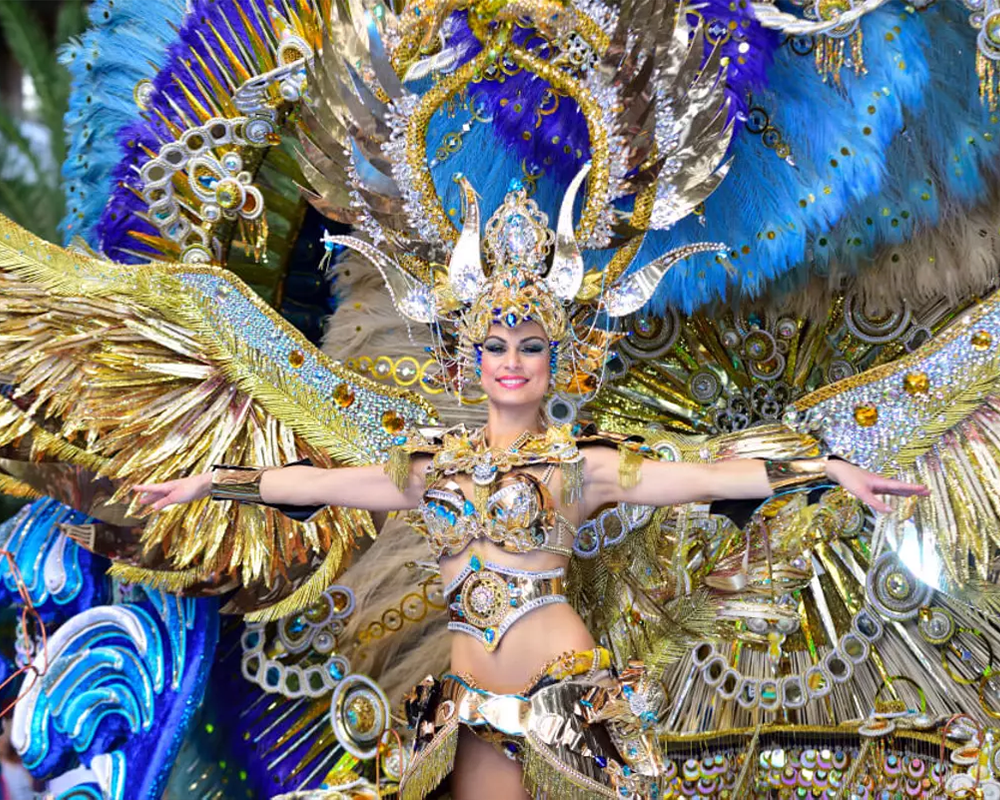
Europe’s summer brings long days and lively celebrations. In Scandinavia and the Arctic Circle, the midnight sun around the June solstice offers nearly endless daylight – a surreal experience cruising Norway’s North Cape or Iceland under a 2 A.M. sunset. Far to the south, Provence’s lavender fields burst into fragrant purple bloom in mid-summer (June–July), which Mediterranean itineraries or Rhone river cruises often highlight. Summer is also festival season – for example, the Canary Islands host Carnival in Santa Cruz de Tenerife every February. Cruises to the Canaries that month let you join this raucous pre-Lenten celebration, second only to Rio’s Carnival, with colorful parades and parties filling Tenerife’s streets.
Autumn Harvests
Come fall, cruise routes through Europe’s wine regions offer a taste of the harvest. In late September and October, vineyards from France’s Bordeaux to Germany’s Rhine are bustling with activity. Many lines time port calls or excursions to coincide with wine harvest festivals, giving guests a festive atmosphere and even chances to sample young vintages straight from the source. Fall foliage adds to the charm on Danube or Rhine voyages, as riverbanks turn gold and crimson. With cooler weather and thinning crowds, autumn can be an idyllic (and slightly quieter) time to cruise Europe.
Alaska: Wildlife and Natural Wonders in Summer
Alaska cruises are all about the seasons – specifically the short May–September window when this wild frontier becomes accessible by ship. The payoff for cruising in summer is huge: wildlife sightings and natural phenomena abound. Peak season (June–August) is prime time for whale watching and salmon runs. Humpback whales congregate to feed, often breaching and slapping the water, while millions of salmon spawn up Alaska’s rivers, attracting brown bears to fishing spots viewable on select excursions. By late summer, you might spot hungry bears snatching salmon in places like Ketchikan’s streams – a bucket-list sight for nature lovers.
Summer in Alaska also means long daylight hours – even if not quite midnight sun, you’ll experience lingering twilight and extended days for exploring glaciers, forests, and fjords. The weather is mildest in mid-summer, but even the shoulder months of May and September have their perks (fewer crowds, lower prices) if you don’t mind wearing a jacket. In fact, early September cruises occasionally afford a bonus: a chance at the Northern Lights. While the aurora borealis isn’t guaranteed, some late-season sailings have night skies dark enough to glimpse the green glow if solar activity cooperates. Whether or not the aurora appears, glaciers are active in late summer – warmer days can trigger dramatic glacier calving, where slabs of ice crash into the sea.
Insider Tip: Because Alaska’s cruise season is limited, popular departures fill fast. It’s wise to plan well ahead. Many veterans recommend booking Alaska cruises 6–18 months in advance, especially for coveted summer dates, as these voyages are seasonal and in very high demand.
Caribbean: Island Carnivals and Wildlife Encounters
The Caribbean offers year-round cruising, but timing your trip can reveal the islands’ rich cultural calendar and natural wonders. Winter and spring are festival time across the Caribbean. For example, visit in late winter and you can experience Carnival celebrations on several islands. Trinidad and Tobago’s Carnival – a world-famous extravaganza of music and masquerade – erupts in the days before Lent (often February). Other islands like Curaçao and the Dominican Republic host their own colorful Carnival parades around February or March. Even outside of Carnival, the holiday season brings unique local festivities: in the Bahamas, Junkanoo street parades on Boxing Day and New Year’s Day feature pulsating drums and costumed dancers, a tradition you can witness if your cruise spends Christmas in Nassau. In Puerto Rico, the Navidad season lasts from November through mid-January with dozens of events, from carol sing-alongs (parrandas) to the vibrant San Sebastián Street Festival – adding extra spice to a winter Caribbean itinerary.
Summer in the Caribbean has its own highlights. Many English-speaking islands hold Emancipation festivals or summer Carnivals – for instance, Crop Over in Barbados and Spicemas in Grenada peak in July and August with calypso competitions, steel bands, and dancing in the streets. These exuberant celebrations give travelers a deep dive into local culture. Just be mindful that late summer and fall also overlap with hurricane season. While voyages in September–October can be cheaper and less crowded, there’s a trade-off of potential storms. (Cruise lines closely monitor weather and will adjust routes to avoid danger – but consider travel insurance and some flexibility if you book during peak storm months.)
The Caribbean’s natural rhythms are also worth planning for. One magnificent example: from January to March, humpback whales migrate to the warm waters of the Dominican Republic’s Samaná Bay to breed. If you cruise to Samaná in winter, you can join a whale-watching excursion to see these giants up close – an experience only possible at this time of year. Similarly, some Southern Caribbean itineraries in summer offer chances to witness sea turtle nesting or hatching on beaches (Barbados and Trinidad, for instance, see turtle nesting roughly March–July). Aligning your cruise with one of these events, whether cultural or natural, can elevate a Caribbean trip from great to unforgettable.
Asia: Seasonal Festivals and Spectacles
Asia is vast and diverse, but one thing many Asian cruises have in common is spectacular seasonal events. Timing your voyage can let you partake in some of the continent’s most famed traditions:
- Spring Cherry Blossoms (Japan): Japan’s sakura (cherry blossom) season is legendary, and a cruise around late March or April can coincide with this delicate display. Parks and temple grounds from Tokyo to Kyoto blush pink with blooming cherry trees. It’s such a highlight that many consider spring the best time to visit Japan – the weather is pleasant and the scenery exquisite with blossoms framing castles and shrines. Cruise lines often schedule Japan-focused itineraries during these weeks so guests can enjoy hanami (flower viewing) in port. Just be aware blossom timing can vary each year; a bit of luck is involved, but hitting peak bloom is a magical experience.
- Lunar New Year (East & Southeast Asia): Asia’s biggest holiday, Lunar New Year (a.k.a. Chinese New Year or Spring Festival), falls in late January or February. If you cruise Asia in this period, you’ll find festivities in many ports. Cities like Hong Kong, Singapore, and Ho Chi Minh City explode with dragon dances, lantern displays, and fireworks for the New Year. In Bangkok’s Chinatown, for example, the Lunar New Year brings crowds of worshippers and a sea of red lanterns and firecrackers. Cruising during Lunar New Year lets you witness these vibrant cultural celebrations – though note that some attractions may close for holidays.
- Songkran Water Festival (Thailand): Mid-April marks Songkran, the Thai New Year, and it’s celebrated by joyful water fights in the streets. Being in Thailand during Songkran (often part of Southeast Asia cruise itineraries in April) is pure fun – cities like Bangkok and Phuket turn into friendly water battlefields as locals and tourists splash each other to wash away the old year. Parades and temple rituals happen too, but the defining image of Songkran is crowds with water guns laughing in the heat. It’s often said the entire country becomes “one big water fight” during these days. Pack quick-dry clothing and join the splashy revelry if your cruise timing aligns!
- Autumn Lights and Legends: Later in the year, other celebrations dot the cruise calendar. In October/November, India lights up for Diwali (the Festival of Lights), and Thailand sets its rivers aglow during Loy Krathong, when thousands of candlelit floats drift on the water. A few cruise itineraries or land extensions may allow you to experience these atmospheric events (for instance, some river cruises in India are planned around Diwali). And in late winter (February/March), parts of India celebrate Holi, the riotous festival of colors, where participants throw bright powdered dye – a unique cultural immersion if you happen to be in port. While mainstream ocean cruises might not always coincide with Holi or Diwali, it’s worth checking specialty or expedition cruises if these pique your interest.
In short, Asia rewards those who plan around its festival calendar. Coordinate your cruise with one of these celebrations for an extra layer of meaning and memory – just remember to book early, as holidays like Lunar New Year are popular travel periods for locals too.
New England & Canada: Autumn Foliage Voyages
One seasonal highlight not to miss is closer to home: the fall foliage cruises in New England and Eastern Canada. These itineraries operate in September and October, when the coasts of Maine, Nova Scotia, and Québec erupt in autumn color. Timing is everything – the window for peak foliage is brief (a few weeks) and varies by year, but cruise lines typically schedule departures from mid-September to early October to try to catch nature’s show. Sail during this period and you can spend your days “leaf-peeping” from the ship’s deck or on shore in quaint ports like Bar Harbor or Charlottetown, with maple and oak forests blazing red, orange, and gold.
Besides the scenery, fall cruises in this region might coincide with harvest-time treats (think fresh apple cider, pumpkin patches, and cranberry bog tours). Many travelers specifically seek out these autumn cruises for the combination of crisp weather and postcard-perfect landscapes. Because of the limited season and unpredictable timing of peak colors, it’s smart to book your New England/Canada fall cruise well ahead – often a year in advance – to secure your spot. And pack layers; those bright days can turn to brisk nights as you sail along the north Atlantic coast.
Planning Tips: Timing and Booking Your Seasonal Cruise
Plan Ahead for Popular Sailings
When a cruise only happens at a certain time of year, demand is high. Experiences like holiday-market river cruises, New Year’s sailings, or Alaska in July routinely sell out far in advance. To avoid disappointment, plan on booking at least 12–18 months early for bucket-list seasonal cruises. This is especially true if you need a specific ship, cabin type or date (for example, Christmas and New Year’s cruises have very finite departure dates). Industry experts note that Christmas/New Year’s voyages typically fill up and operate at full capacity, so last-minute deals are rare. The same goes for unique one-off itineraries like a solar eclipse cruise or a cruise timed to a special event – as soon as dates are announced, jump on them.
Leverage Shoulder Seasons
If your schedule is flexible, consider cruising just before or after the peak event. For instance, sailing in early December (rather than Christmas week) might still let you catch European holiday markets while enjoying lower fares and thinner crowds. Similarly, an Alaska cruise in late August or early September is shoulder season – you may miss the absolute peak of summer, but you’ll still see wildlife (with a chance of northern lights) and likely find more options available. Shoulder-season voyages often balance good experience with better value and breathing room onboard.
Mind the Weather
Research the typical climate for when and where you’re cruising, and pack/prep accordingly. A few examples: Alaska and Northern Europe cruises will require layers and rain protection even in summer. Asia’s monsoon season (roughly May–October in much of Southeast Asia) can mean sudden downpours – not trip-ending, but you’ll want a rain jacket. In the tropics, hurricane season (June–November) is an important factor; cruise lines do sail then (often at discounted rates), but itineraries might change to dodge storms. If you book a cruise during the height of hurricane season (say September in the Caribbean), consider purchasing travel insurance and keeping a flexible attitude – you might end up visiting alternate ports, but still have a great time under the sun. On the other hand, a perk of off-season travel can be unique scenery – for example, a river cruise in Europe in early spring might still find snow on the Alps and fewer boats on the water, making for a peaceful, wintry panorama.
Mark Your Calendar for Booking Windows
Note that many cruise lines release itineraries up to two years ahead for seasonal routes. For instance, if you’re eyeing the 2026 solar eclipse cruise or 2025 Christmas markets, those could go on sale in 2024 or earlier. Booking early not only secures your spot but sometimes nab discounts or perks. Conversely, if you’re spontaneous espontaneous and not picky, you might find a last-minute deal on a less-than-full sailing outside of peak dates (e.g. Caribbean in early September or a Europe cruise in late October). Just weigh the risk of limited availability for extremely popular trips.
In summary, aligning your cruise with nature’s cycles or cultural celebrations can elevate your journey from a simple vacation to a truly enriching adventure. Whether it’s admiring breaching whales next to an Alaska glacier, dancing through the streets of Trinidad at Carnival, or sipping hot cocoa in a German Christmas market, these moments are what make travel unforgettable. Use the guide above – and the summary table below – to pinpoint which special events speak to you, and get ready to set sail at the perfect time!
Quick Reference Table: Destinations, Seasonal Highlights & Best Times
| Destination/Region | Unique Seasonal Highlight | Best Time to Cruise |
|---|---|---|
| Europe – Danube, Rhine | Christmas Markets (Germany, Austria) | Late November–December |
| Europe – Netherlands | Tulip Blooms at Keukenhof Gardens | Late March–April |
| Europe – Mediterranean | Lavender fields in Provence, France | June–July (peak bloom) |
| Europe – Canaries | Carnival in Tenerife (Canary Islands) | February (pre-Lent) |
| Northern Europe – Arctic | Midnight Sun & Polar Wildlife (Norway, Iceland) | June–July (summer solstice) |
| Alaska (Inside Passage) | Humpback Whale Watching, Salmon Run | June–August (midsummer peak) |
| Alaska (Gulf & North) | Northern Lights (late-season bonus) | Early September (dark skies) |
| New England & Canada | Fall Foliage Colors (“Leaf Peeping”) | Mid-September–early October |
| Caribbean (Overall) | Island Carnivals (e.g. Trinidad, Curaçao) | Winter: Feb–Mar (around Lent) |
| Caribbean (Eastern) | Humpback Whale Breeding (D.R. – Samaná) | January–March |
| Caribbean (Southern) | Summer Carnival & Festivals (Barbados, Grenada) | July–August |
| Asia – Japan | Cherry Blossom Season (Sakura) | Late March–April |
| Asia – Pan-Asia | Lunar New Year Festivals (China, SE Asia) | Late Jan–Feb (varies by lunar calendar) |
| Asia – Thailand | Songkran Water Festival (Thai New Year) | Mid-April |
| Asia – India | Diwali Festival of Lights | Oct–Nov (dates vary by year) |
Each of these entries represents a special experience you can target. By timing your cruise to hit these seasonal sweet spots, you’ll not only see the world – you’ll see it at its most memorable. Happy cruising, and enjoy the journey through both place and time!